
 I have a dearly departed friend, also my first editor, who wrote a book called “The Real Shakespeare” several years ago. She joined a large debate of those who believe the man named William Shakespeare did not actually write all of those gorgeous plays. I give all respect to Marilyn Savage Gray for her views and incredible research for the book. Maybe she’s right. And maybe those who say it was actually a woman who wrote them, using his name since women were not accepted as writers back then are right. How do we know?
More importantly, how much does it matter?
Today on art.com’s Facebook page, they bring up a painting called “Girl With A Broom” from 1640, signed by Rembrandt. We all know who Rembrandt is, whether or not we could pick out his work. His name is up there with the masters of art, and well-deserved. They ask, though, was that painting done by Rembrandt? Or was it done by one of his students: Carel Fabritius?
I daresay most of us haven’t heard of Fabritius. I hadn’t. And yet, if you look at his self-portrait posted here (from http://en.wikipedia.org/wiki/Carel_Fabritius ), you see quality work and a departure from Rembrandt in that his background is lighter and the painting in general is less dark.
Did you know that many of the masters had students helping to create their art? They were able to complete more work that way, and in doing so, earn more money. I have personal issues against the practice. Once another’s hands are in a work of art, it is no longer as truly pure. How do you know which comes from the named artist and which from students (or editors, for that matter).
Maybe that’s all besides the point. Maybe it’s what’s left behind that matters and not who produced it. I do feel that way about Shakespeare’s works, although if someone else did do the writing, I would like to know that and give that artist credit. (I don’t believe much in ghostwriting, either, although many writers make a good living with the practice and seem fine with not having the recognition.)
Personally, I feel Shakespeare wrote his own work, possibly with editing help or even with “student” assistance such as the fine art masters had. One of the big objections that critics use against him writing his own is that he was “common” and not school educated. Ah well, so was Abraham Lincoln. That point doesn’t hold an ounce of water with me.
I put much more value in self-education, anyway. School education follows a model, attempting to mold all kids to learn the same way and the same things. It’s like Fabritius studying under Rembrandt’s style so much that we can’t tell for sure which work is from which artist. Rembrandt’s name is the better known because he created his own style after learning bits and pieces from others and changing and manipulating the lessons into something different. That’s self-education at its best.
So does the artist’s name matter? Apparently it does if the artist stands out from the crowd instead of following the beaten path.
Shakespeare was not only a principal actor at the time, but he also was in large part an owner of the Globe theater. In this way, he could be considered one of the leaders of self-publishing. Did he write his own work? I would say yes, at least enough of it to establish his name. If others did no more than follow his style to add to the body of work, does it matter if we know their names? I’m not so sure. At that point, it’s the work itself that matters.
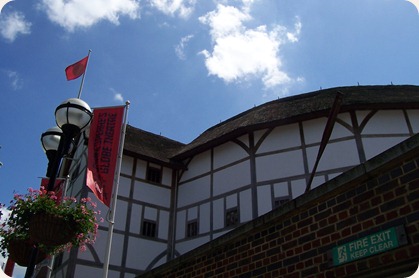
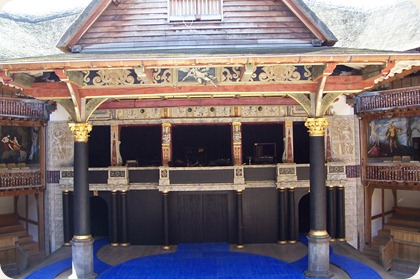
I had the opportunity to go into the Globe Theater a couple of years ago when we visited England. Of course, it’s not THE Globe, since the original burned to the ground, but still, it was a memorable event and I could almost feel myself sitting amongst the crowd watching an original Shakespeare performance on its premiere showing. It’s a powerful thing to surround yourself with largeness and originality and the work of the masters, and take pieces of that away with you to create your own masterpieces.

--
Find Rembrandt’s work on Art.com
Find Fabritius’s work on Art.com
Find Marilyn Savage Gray’s books Here or at BN.com.

